
TRAVEL THE ROAD
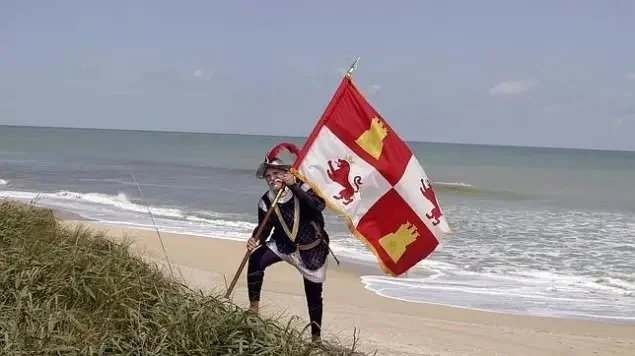
The Willing Expedition: A Pirate’s Raid for the Patriots
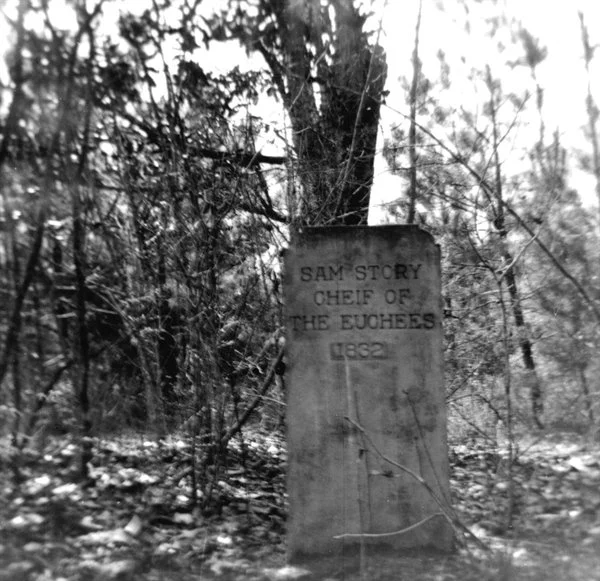
The Legend of Sam Story
Sam Story, also named Timpoochee Kinnard, was Chief of the Walton County, Florida, band of Euchee (Yuchi) Indians in the early 19th century, who occupied the lands on and to the west of the Choctawhatchee River. His parents were Timothy Kinnard, a white man of Scottish descent, and an unknown Yuchi woman. The chief was a well-known figure in the Florida Panhandle and was highly respected by whites, who migrated to the area in ever-increasing numbers following the acquisition of Florida by the United States from Spain in 1821
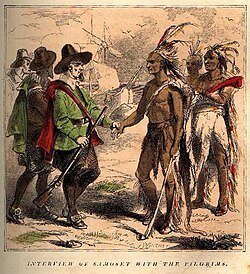
Native American Alliances
In the late 1700s, the land we now call Walton County was a dense, humid wilderness of longleaf pines and dark river-swamps. It sat on the edge of the British colony of West Florida, a frontier where European empires were fighting for control, but the local tribes—the Muscogee (Creek) and the Euchee (Yuchi)—still held the true power of the land.
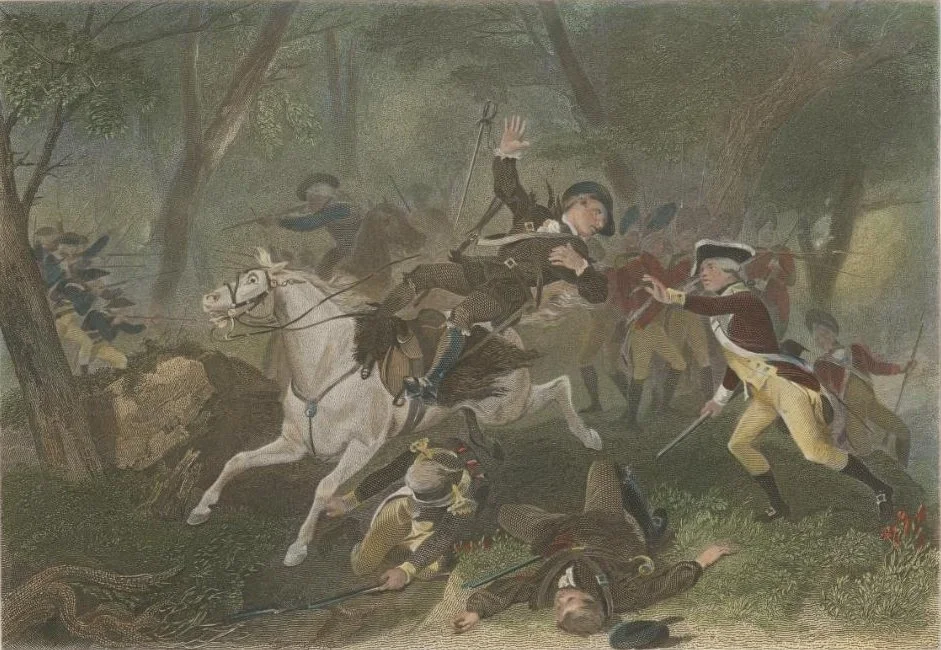
Loyalists Haven
Reasons for Loyalty
Recent Immigrants: Most residents were recent immigrants from Britain or other colonies who identified strongly as British subjects rather than having deep American roots.
Economic Dependence: The colony was not economically independent and relied heavily on British trade and subsidies to survive.
Military Presence: West Florida served as a British military garrison, and the local economy (merchants and ranchers) relied on the British army for business and protection.
Loyalist Haven: The British government offered free land to those who could prove their loyalty, attracting "Tories" fleeing the northern colonies.
Lack of Democratic Tradition: Unlike the 13 northern colonies, West Florida had no history of local democratic institutions like town halls, making the revolutionary "no taxation without representation" argument less resonant.
Concerns Over Spanish Power: Local leaders were more concerned with the threat posed by neighboring Spanish Louisiana and New Orleans than by British rule.
Loss of the Colony
Although it stayed loyal to Britain, West Florida did not remain British for the duration of the war. Spain joined the conflict in 1779 as an ally of France and launched a successful military campaign. Spanish forces under Bernardo de Gálvez captured British outposts at Baton Rouge, Natchez, and Mobile, eventually taking the capital, Pensacola, in 1781. Following the Treaty of Paris in 1783, Britain officially ceded both Floridas back to Spain