
Road to Revolution
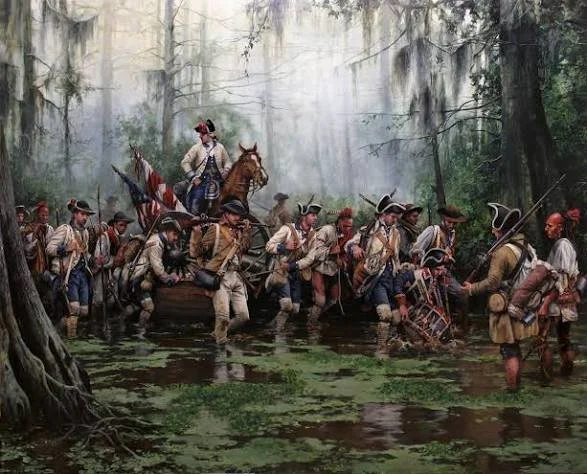
The Floridas during the American Revolution were England’s 14th (West Florida) and 15th (East Florida) colonies.
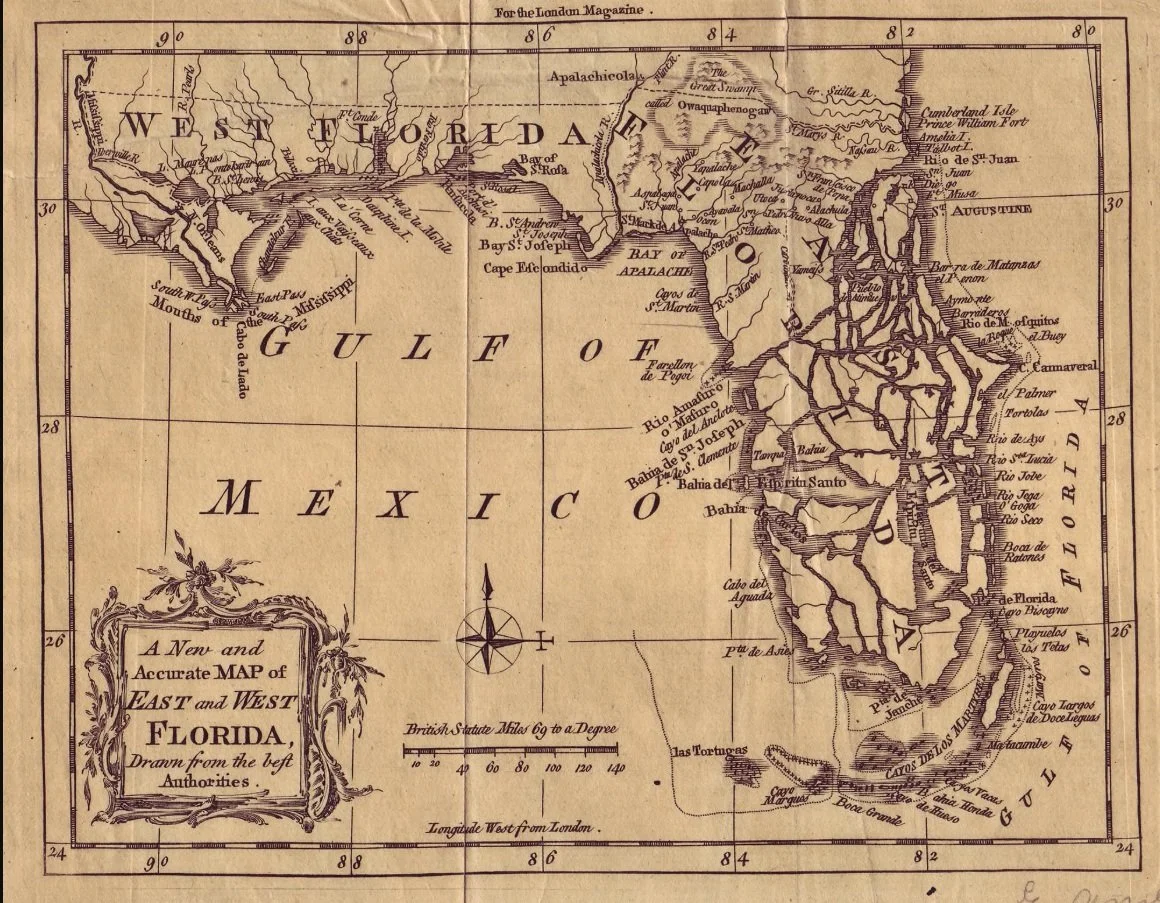
During the American Revolution, Northwest Florida (British West Florida widely recognized as the 14th colony) was a loyalist haven, largely untouched by major fighting until Spain invaded, capturing Pensacola in 1781, and Britain ceded both Floridas to Spain in 1783, ending British rule despite American attempts to incite rebellion and secure neutrality. Key events included Captain James Willing's raid to encourage neutrality (and plunder), British-Creek Indian actions in the region, and the Spanish Siege of Pensacola, ultimately making Florida a Spanish territory post-war.
Loyalty & British Stronghold:
Loyalist Territory: Both East and West Florida remained loyal to Britain, serving as havens for Tories fleeing the colonies.
Economic Focus: West Florida's loyalty stemmed partly from its economic focus and desire for British rule to remain undisturbed.
American Incursions & British Response:
Willing Expedition (1778): Continental Captain James Willing led a raid, initially seeking to persuade West Floridians to neutrality but resorting to plunder after being rebuffed, warning of a larger force to come.
British Actions: British forces, including Captain David Holms, used West Florida as a base, conducting patrols and engaging with Creek allies in areas like present-day Bay County.
Spanish Intervention & End of British Rule:
Siege of Pensacola (1781): Spain, allied with the Americans, launched a successful campaign, culminating in Governor Bernardo de Gálvez's capture of Pensacola from the British.
Treaty of Paris (1783): Britain ceded both East and West Florida to Spain, ending their rule over the region.
Aftermath:
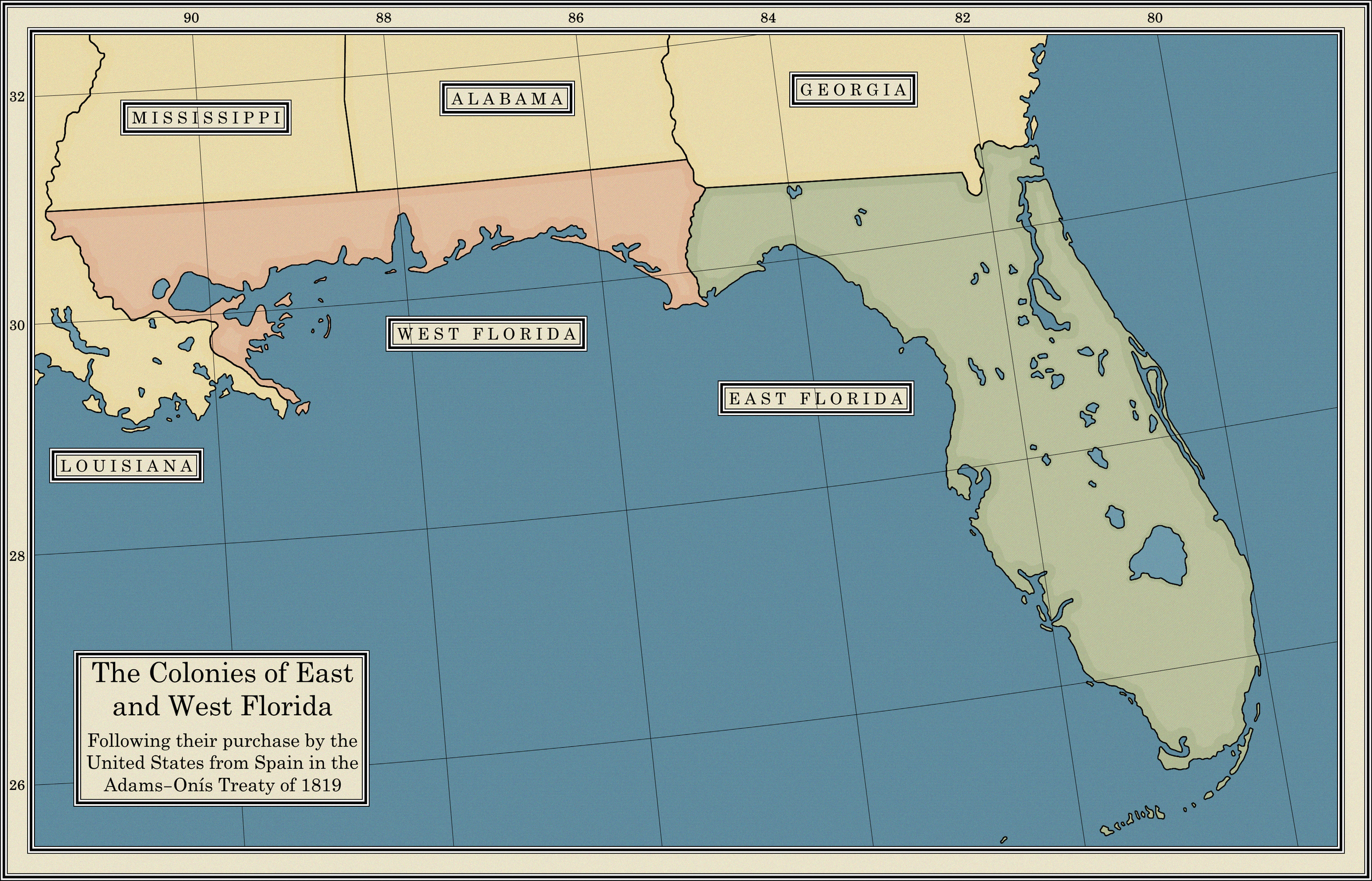
Border Disputes: The undefined borders between Spanish West Florida and the U.S. led to conflicts, including the brief Republic of West Florida in 1810 (Louisiana parishes).
Transition: The U.S. eventually acquired Florida through the Adams-Onís Treaty in 1819, integrating it as a territory in 1822.